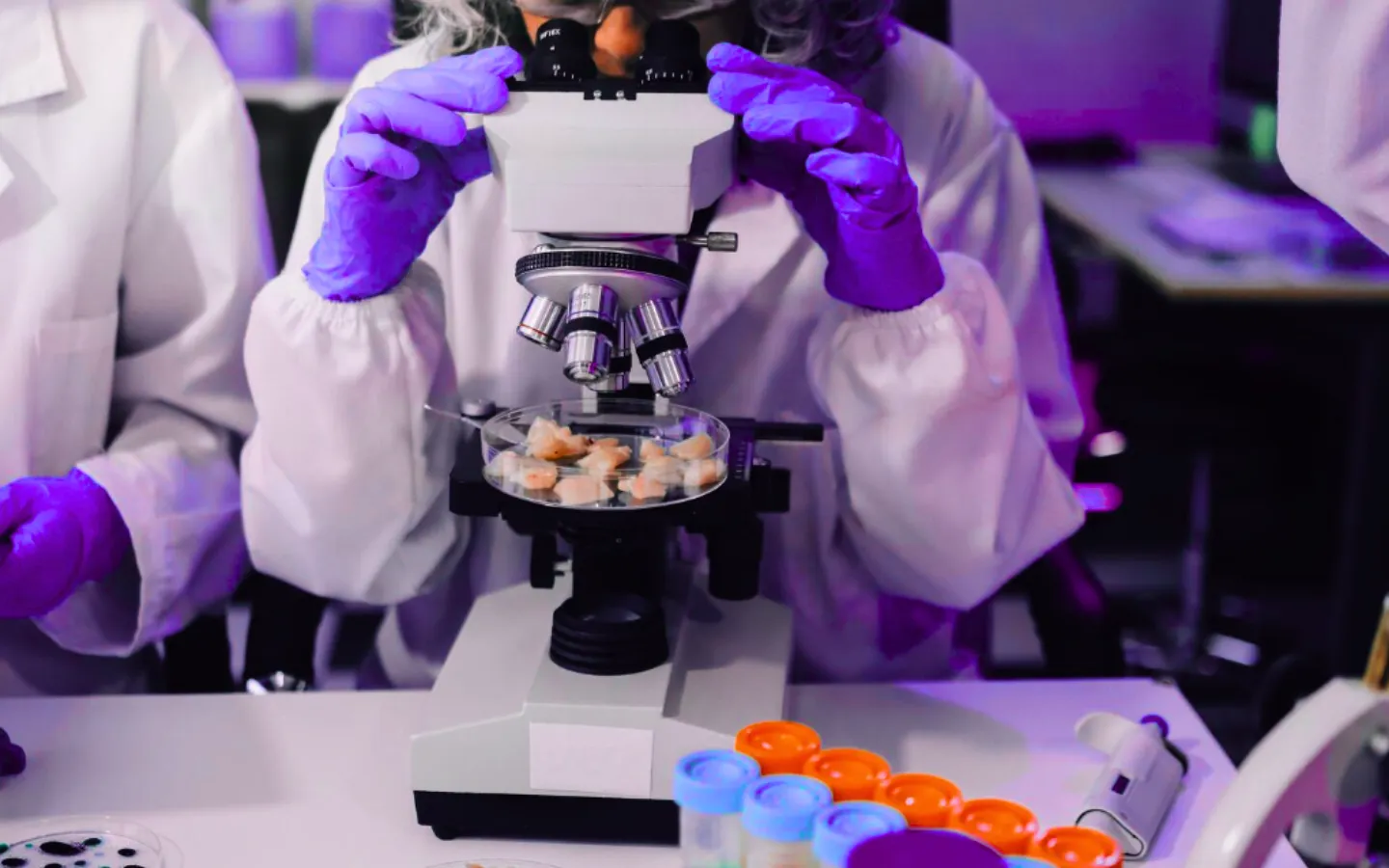
Key LIMS Features for Food Testing Laboratories
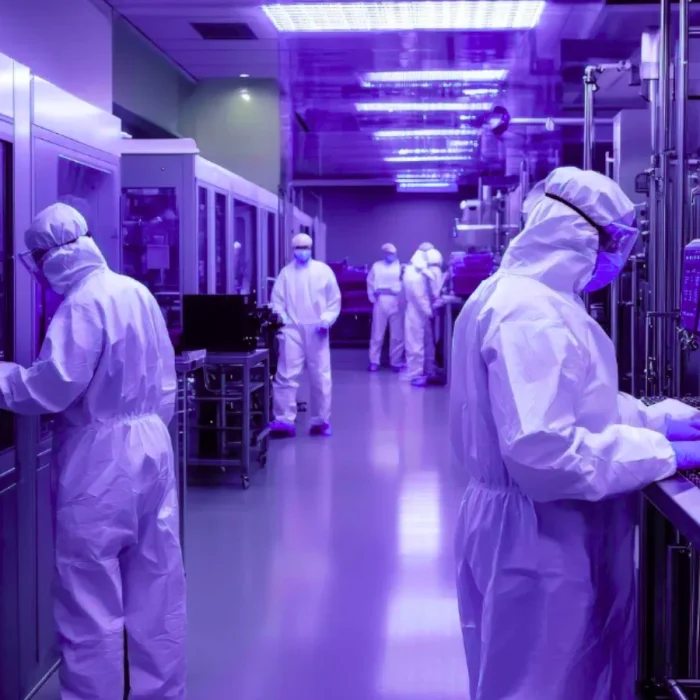
Food testing laboratories manage time-sensitive samples, strict quality expectations, and a wide range of analytical workflows. From raw material testing and finished product analysis to allergen testing, microbiology, nutritional analysis, residue testing, and shelf-life studies, every step must be accurate, traceable, and well documented.
As testing volumes grow, manual spreadsheets and disconnected tools can create delays, data gaps, transcription errors, and reporting inconsistencies. A Laboratory Information Management System, or LIMS, helps food testing laboratories centralize laboratory data, standardize workflows, and maintain traceable records from sample receipt to final report.
For food and beverage laboratories, the most valuable LIMS features are the ones that directly support sample integrity, data accuracy, workflow control, reporting consistency, and audit readiness.
Why Food Testing Laboratories Need LIMS
Food testing is highly operational and highly data-driven. A single project may include multiple samples, different matrices, several analytical methods, quality control checks, instrument outputs, customer requirements, and reporting deadlines.
Common Food Testing Laboratory Activities
Laboratories may need to manage:
- sample receipt and registration
- barcode labeling
- test assignment
- allergen testing
- microbiology testing
- chemical analysis
- nutritional analysis
- shelf-life studies
- quality control checks
- instrument data
- result review and approval
- final report generation
- audit-related documentation
Without a structured system, these activities can become fragmented across spreadsheets, paper forms, emails, instrument software, and manual communication. A LIMS helps bring sample data, workflow status, analytical results, quality review, and reporting steps into a centralized laboratory environment.
Sample Tracking and Chain of Custody
Sample tracking is one of the most important LIMS features for food testing laboratories.
Food samples may move through several stages: receipt, registration, storage, preparation, analysis, review, reporting, and retention. At each stage, the laboratory needs to know where the sample is, what has been done, who handled it, which tests are assigned, and what remains pending.
Managing the Sample Lifecycle
A LIMS can help manage sample lifecycle information from intake to final reporting. It can support unique sample IDs, barcode labeling, storage location, test assignments, batch relationships, user actions, timestamps, and related documentation.
For food testing laboratories, this level of traceability helps reduce sample mix-ups, improve visibility, and support better control over testing workflows.
Configurable Workflows for Food Testing Methods
Food laboratories often run different workflows for microbiology, chemistry, allergens, nutritional testing, residue analysis, shelf-life studies, and quality control checks. Each workflow may require different preparation steps, result fields, approval rules, calculations, reporting units, or quality control requirements.
A configurable LIMS allows laboratories to build workflows around actual laboratory processes instead of forcing every test into one generic structure.
Examples of Configurable Workflow Elements
Configurable workflows may include:
- sample type definitions
- test panels
- method structures
- workflow statuses
- result fields
- review steps
- quality control checkpoints
- report templates
- customer-specific requirements
This flexibility helps food testing laboratories standardize procedures while still supporting different testing needs across departments, customers, products, and sample types.
Instrument Integration and Reduced Manual Entry
Manual result entry is one of the most common sources of laboratory error. When results are transferred manually from instruments to spreadsheets, reports, or disconnected databases, the risk of transcription mistakes increases.
A LIMS can support integration with laboratory instruments and data systems depending on the technical environment and implementation scope.
Benefits of Instrument Integration
Instrument integration can help laboratories:
- reduce manual result entry
- improve data consistency
- connect instrument output to sample records
- reduce duplicate data handling
- improve review efficiency
- support stronger data traceability
Common Instruments in Food Testing Laboratories
For food testing laboratories, instrument integration may support balances, chromatographs, spectrometers, microbiology systems, pH meters, conductivity meters, moisture analyzers, and other testing equipment.
Even when full automation is not implemented immediately, planning for integration readiness can help food testing laboratories build a stronger foundation for future operational improvement.
Data Management and Audit Trails
Food testing generates large volumes of structured data, documents, quality control records, instrument outputs, calculations, and customer reports. A LIMS helps centralize this information in one controlled environment.
Role-based access, audit trails, version control, electronic review workflows, and controlled data changes help laboratories maintain stronger data integrity.
Traceability Questions a LIMS Helps Answer
Traceability helps answer important questions:
- Which sample produced this result?
- Which method was used?
- Which instrument generated the data?
- Who entered or reviewed the result?
- When was the report issued?
- Were any changes made during review?
- Which quality control checks were associated with the result?
Supporting Audit Readiness
A LIMS helps preserve these relationships in a structured way. This makes it easier to review records, investigate issues, prepare reports, and support audit readiness.
Quality Control and Compliance Workflows
Food testing laboratories often operate under quality systems, customer requirements, accreditation expectations, method-specific procedures, or food safety-related programs. Many laboratories also align their operations with standards such as ISO/IEC 17025.
A LIMS can support quality and audit readiness by helping laboratories manage controlled records, workflow steps, user activity, result review, approvals, audit trails, and report history.
LIMS and Laboratory Compliance Support
It is important to be precise: a LIMS does not automatically make a laboratory compliant with ISO/IEC 17025, HACCP, GMP, FDA-related requirements, or any other regulatory framework. Compliance depends on the laboratory’s quality system, procedures, validation, staff training, documentation, and management practices.
However, a properly implemented LIMS can support the laboratory by making records more organized, traceable, and easier to review.
Reporting and Customer Communication
Reporting is a critical part of food testing. Customers, quality teams, production teams, and other stakeholders often need clear, accurate, and timely reports.
A LIMS can help streamline reporting by connecting sample data, test results, review status, quality checks, and report templates. This can reduce manual report preparation and improve consistency across projects.
Consistent reporting is especially important when laboratories manage multiple customers, product categories, sample types, projects, and reporting formats.
Standardized and Customer-Specific Reports
A LIMS can help laboratories standardize report generation while still supporting customer-specific or project-specific reporting requirements.
For commercial food testing laboratories, a customer portal can also reduce administrative workload by allowing authorized users to submit requests, track progress, and access approved reports securely.
Managing Deadlines, Turnaround Times, and Workflow Status
Food testing laboratories often work with strict turnaround times. Customers may need results quickly for product release, production decisions, quality investigations, export documentation, or corrective action workflows.
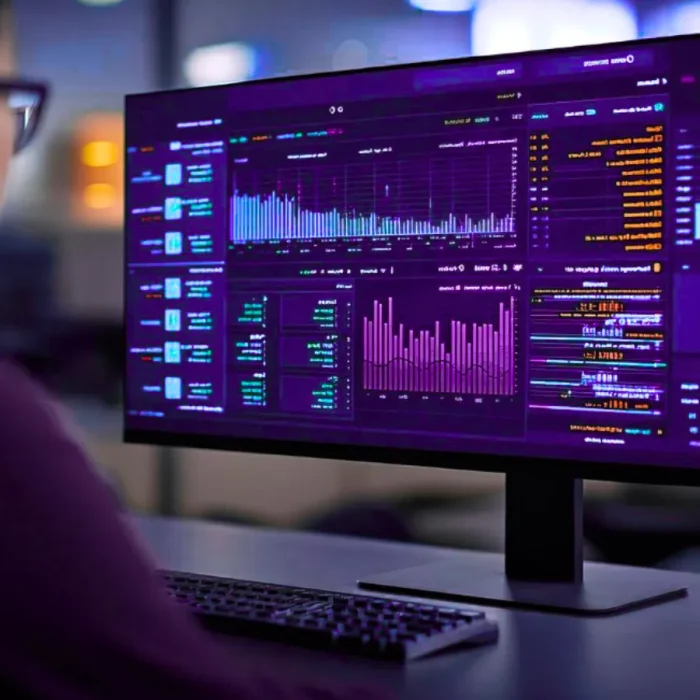
A LIMS can help teams monitor workflow status and identify pending tasks more clearly. Dashboards, status views, and notifications can help users understand what requires attention.
Operational Visibility for Laboratory Managers
This visibility can support better planning and reduce delays across sample receipt, preparation, analysis, review, and reporting.
For laboratory managers, operational visibility helps identify bottlenecks, allocate resources more effectively, and maintain more consistent service delivery.
Scalability for Growing Food Laboratories
As food laboratories grow, they often need to manage more samples, more test types, more customers, and more reporting requirements. A scalable LIMS should support multi-site operations, role-based permissions, configurable workflows, and integration with other business systems.
Scalable LIMS Capabilities
Scalable LIMS capabilities may include:
- multi-site data management
- configurable workflows
- barcode-based tracking
- role-based access control
- dashboard visibility
- customer portal support
- report template management
- integration readiness
- audit trails and record history
The best solution is not simply the one with the longest feature list. It is the one that fits the laboratory’s actual workflow and can grow with changing operational needs.
Where Lenava LIMS Fits
Lenava LIMS is designed to support laboratories that need structured sample workflows, traceability, reporting, and operational visibility.
For food testing laboratories, Lenava LIMS can help connect sample management, workflow tracking, result review, reporting, audit trails, and dashboard visibility in one platform.
Lenava LIMS Capabilities for Food and Beverage Laboratories
Lenava LIMS can support food and beverage laboratories through:
- sample lifecycle management
- configurable workflows for different food testing methods
- barcode-based sample tracking
- quality control and review workflows
- instrument integration readiness
- role-based access control
- reporting and dashboards
- audit trails and record history
- equipment and inventory-related workflows
- customer portal and communication needs
- implementation and support guidance
The goal is to help food testing laboratories reduce fragmented processes and build a more reliable digital foundation for sample tracking, reporting, and operational control.
Conclusion
Food testing laboratories manage complex samples, analytical data, quality checks, time-sensitive workflows, customer expectations, and reporting requirements. A LIMS helps bring these activities into a structured and traceable environment.
By improving sample tracking, data integrity, reporting consistency, workflow visibility, and audit readiness, LIMS software can help food testing laboratories operate with greater control and confidence.
For laboratories preparing to modernize food testing operations, a well-implemented LIMS can become a practical foundation for connected, traceable, and scalable laboratory workflows.