
LIMS for Research Laboratories in Canada
Research laboratories operate in a different environment from routine testing labs. Their work often involves evolving study designs, changing protocols, multiple collaborators, complex datasets, and a constant need to preserve the relationship between samples, experiments, observations, results, and reports.
For research labs in Canada, this complexity can become difficult to manage when information is spread across spreadsheets, local files, notebooks, shared drives, email threads, or disconnected software tools. As research activity grows, the risk of inconsistent records, incomplete traceability, duplicated data entry, and workflow delays increases.
A Laboratory Information Management System, or LIMS, can help research laboratories bring more structure to their operations without removing the flexibility they need. The right LIMS supports sample tracking, experiment-related workflows, data management, reporting, collaboration, and audit readiness in one connected environment.
Why Research Labs Need More Than Basic Data Storage
Research labs generate information continuously. A single project may involve sample collection, preparation, testing, observations, instrument data, calculations, review steps, reports, approvals, and long-term record retention.
Storing this information is only one part of the challenge. Research teams also need to understand how each piece of data connects to the work that produced it.
Key Questions Research Labs Need to Answer
A research lab may need to answer questions such as:
- Which sample was used in a specific experiment?
- Which method, protocol, or workflow was followed?
- Which instrument produced a result?
- Who entered, reviewed, or modified a record?
- Which version of a report or dataset was used?
- What happened before and after a result was generated?
When these relationships are not managed in a structured way, research operations can become difficult to review, reproduce, or scale. LIMS software helps create a controlled framework for connecting laboratory data with the operational context behind it.
Sample and Experiment Traceability
Sample traceability is one of the most important reasons research labs consider LIMS software. Research samples may move through different stages, locations, teams, preparation steps, analysis methods, and reporting cycles.
A LIMS can help track samples from registration through processing, testing, review, and reporting. This gives research teams better visibility into sample status and sample history.
Traceability Beyond Sample Location
For research environments, traceability is not limited to knowing where a sample is. It also means understanding what happened to it, which workflow it followed, which data was generated, and how that information connects to the broader research project.
This is especially valuable for research labs handling large sample volumes, multiple studies, collaborative projects, or long-term research programs.
Improved Research Data Management
Research laboratories often produce complex and varied data. Some data may come from instruments, some from manual observations, some from calculations, and some from external systems or collaborators.
Without a central structure, research data can become fragmented. Different team members may store information in different formats or locations. Over time, this makes it harder to find records, verify information, or reuse data confidently.
Centralized and Searchable Laboratory Data
LIMS software can help organize laboratory data in a controlled and searchable environment. It can support consistent data capture, structured records, user access control, and links between samples, tests, results, and reports.
For research teams, this creates a stronger foundation for data continuity. It helps ensure that important information remains accessible beyond individual users, isolated files, or short-term project folders.
Workflow Control Without Blocking Research Flexibility
Research laboratories need flexibility. Their workflows may change as projects evolve, new methods are introduced, or study requirements shift. A rigid system can create frustration if it forces research teams into processes that do not match their work.
At the same time, complete freedom without structure can lead to inconsistent records and operational confusion.
Balancing Structure and Flexibility
A configurable LIMS can help balance both needs. It can support structured workflows while still allowing laboratories to define their own sample types, statuses, review steps, report formats, user roles, and operational terminology.
This is important for research labs because their processes may differ significantly depending on the field, project type, or organization. Academic research, industrial R&D, biotech, materials research, environmental research, and commercial research environments may each require different levels of control and flexibility.
Reducing Manual Work and Repeated Data Entry
Research teams often spend valuable time moving information manually between spreadsheets, instruments, documents, and reporting tools. Manual work increases the risk of transcription errors, missing information, inconsistent naming, and delayed reporting.
A LIMS can reduce manual effort by helping structure common laboratory tasks such as sample registration, workflow tracking, result entry, review, reporting, and record management.
When implemented properly, this can help researchers and laboratory staff spend less time managing administrative data and more time focusing on scientific and operational work.
This does not mean every activity must be fully automated. Even partial workflow control can reduce repetitive tasks and improve consistency across the lab.
Integration with Instruments and Laboratory Systems
Research labs often rely on specialized instruments and software tools. These may include analytical instruments, data systems, reporting tools, inventory systems, or other business applications.
When systems are not connected, teams may need to manually transfer data from one place to another. This creates extra work and can increase the chance of errors.
Why Integration Readiness Matters
LIMS software can support integration with instruments and other systems depending on the technical environment and implementation scope. This can help laboratories reduce duplicate entry, improve workflow continuity, and create stronger connections between sample records and analytical data.
For research labs, integration readiness is especially important because laboratory infrastructure may evolve over time. A LIMS should not only meet current needs, but also support future operational growth.
Collaboration and Role-Based Visibility
Research work often involves multiple users, teams, departments, or external stakeholders. Without a shared system, communication can become fragmented and project visibility can be limited.
A LIMS can support collaboration by giving authorized users access to the information they need within a controlled environment. Different users can have different roles and permissions depending on their responsibilities.
Controlled Access for Research Teams
This helps research teams coordinate work more clearly while maintaining appropriate control over records and data access.
Role-based visibility is especially useful when research operations involve analysts, principal investigators, lab managers, quality teams, project coordinators, or customer-facing reporting teams.
Supporting Quality, Documentation, and Audit Readiness
Research labs may operate under internal quality procedures, funding requirements, customer expectations, accreditation frameworks, or regulatory oversight depending on their field and activities.
A LIMS can help support these environments by organizing records, workflows, approvals, documents, results, and audit trails in a more controlled way.
LIMS and Compliance Support
It is important to be precise: LIMS software does not automatically make a laboratory compliant with a regulation, standard, or accreditation requirement. Compliance depends on the laboratory’s processes, validation, quality system, documentation, training, and operational controls.
However, a well-implemented LIMS can support audit readiness by making records easier to locate, review, and manage. It can also help laboratories maintain stronger traceability across samples, users, results, and reports.
What Canadian Research Labs Should Consider When Choosing a LIMS
Choosing LIMS software is not only a technology decision. It is an operational decision that affects how a laboratory manages work, data, people, and records.
Research labs should consider several important factors before selecting a LIMS.
Compatibility
Compatibility is important because the system should fit the laboratory’s instruments, software environment, data formats, and operational processes.
Configurability
Configurability matters because research workflows may change over time. The system should be able to support different sample types, project structures, approval steps, user roles, and reporting needs.
Scalability
Scalability is also important. A research lab may begin with a limited number of users or workflows, but its needs can expand as projects, sample volume, or reporting requirements grow.
Usability
Usability should not be overlooked. If the system is difficult to use, adoption can suffer. Laboratory staff need clear workflows, intuitive screens, and practical training.
Support and Implementation Quality
Support and implementation quality are also critical. A LIMS is most successful when it is configured around real laboratory operations and supported through planning, training, go-live, and long-term improvement.
Implementation Matters as Much as Software Selection
Even strong LIMS software can fail to deliver value if implementation is poorly planned. Research labs should treat implementation as a structured project, not just a software installation.
Key Steps in a Successful LIMS Implementation
A successful implementation typically includes:
- reviewing current workflows
- identifying sample and data structures
- defining user roles and permissions
- configuring workflows and reports
- preparing data migration where needed
- validating key workflows
- training users
- supporting go-live
- reviewing feedback after launch
This process helps ensure that the LIMS reflects how the laboratory actually works and that users understand how to operate it correctly.
For research labs, this is especially important because workflows may be less standardized than in routine testing environments. Implementation should support structure without removing the flexibility needed for research work.
Where Lenava LIMS Fits
Lenava LIMS is designed to support laboratories that need structured workflows, traceable records, configurable processes, and better operational visibility.
For research labs, Lenava LIMS can help connect samples, workflows, users, records, reports, and operational data in one controlled platform. It can support research environments that need more than basic sample tracking and want to reduce reliance on disconnected files or manual processes.
Lenava LIMS Capabilities for Research Laboratories
Lenava LIMS can support research laboratories through:
- sample lifecycle management
- configurable workflows
- role-based access control
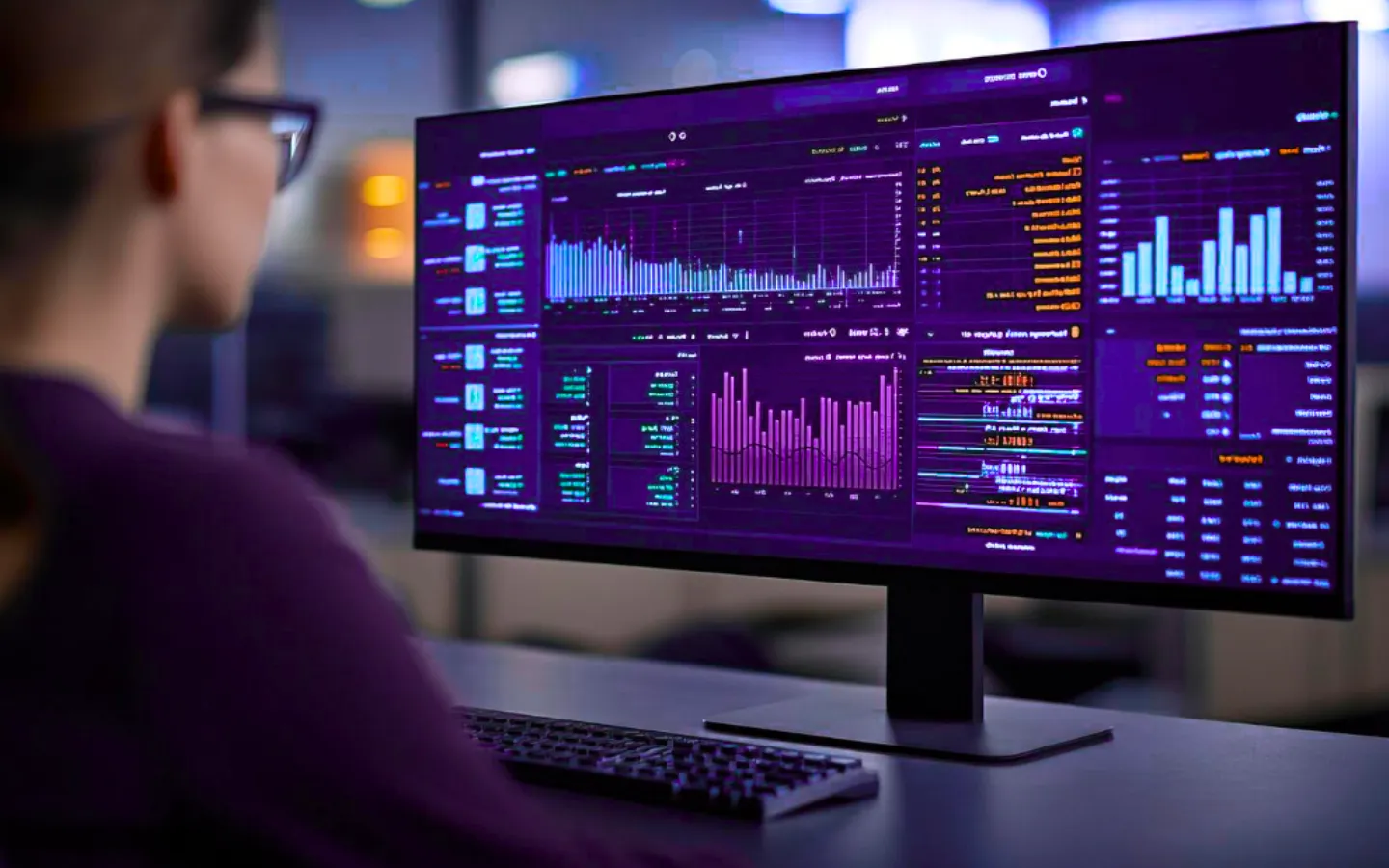
- reporting and dashboards
- audit trails and traceability
- document and record management
- equipment and inventory-related workflows
- customer or stakeholder communication needs
- integration readiness for connected laboratory operations
The goal is to help research labs create a more reliable operational foundation while preserving the flexibility required for evolving research work.
Conclusion
Research laboratories need flexibility, but they also need structure. As research projects become more complex and data volumes increase, disconnected tools and manual processes can limit visibility, consistency, and traceability.
LIMS software helps research labs bring order to sample management, data handling, workflow coordination, reporting, and record control.
For research labs in Canada, the right LIMS can support stronger operational visibility, better data continuity, improved collaboration, and greater audit readiness. More importantly, it can help research teams build a scalable foundation for future laboratory operations.