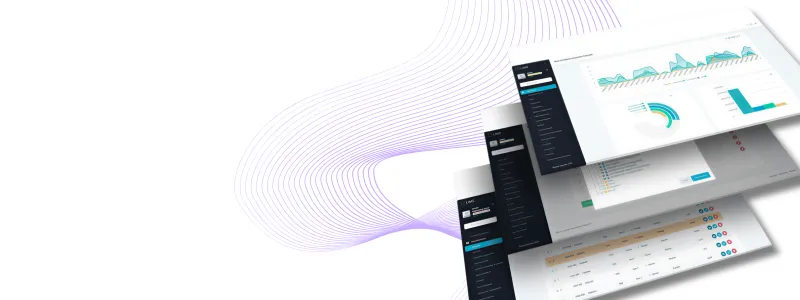
Understanding how modern laboratories manage samples, workflows, data integrity, compliance, and reporting through one unified digital platform.
Complete integration of laboratory information into one powerful platform
Modern laboratories generate large volumes of data, operate under strict quality requirements, and rely on multiple interconnected workflows. A Laboratory Information Management System helps bring order, traceability, and operational control to these environments.
What is a Laboratory Information Management System (LIMS)?
A Laboratory Information Management System, or LIMS, is a specialized software platform designed to manage laboratory operations, sample tracking, testing workflows, results, reporting, and data governance in a structured digital environment.
Instead of relying on spreadsheets, paper-based processes, or disconnected tools, laboratories use a LIMS to centralize information and manage the complete lifecycle of laboratory work in one system.
A modern LIMS helps laboratories:
register and track samples
assign and manage tests
capture and validate results
maintain full traceability
generate reports
support audit readiness
improve operational efficiency
In practical terms, a LIMS becomes the digital operational backbone of the laboratory.
Why do modern laboratories need a LIMS?
Laboratories today face growing pressure from several directions at once:
When these pressures are managed through spreadsheets, manual logs, standalone devices, and disconnected processes, laboratories often experience inefficiencies, limited transparency, and increased operational risk.
A LIMS addresses these challenges by creating a structured and governed environment for laboratory information.
With the right LIMS in place, laboratories can reduce manual dependency, improve consistency, and operate with far greater control across the full testing lifecycle.
Connected Laboratory
Operations
• increasing sample volumes • more complex workflows
• higher expectations for data integrity • stronger audit and compliance requirements
• demand for faster turnaround times • greater need for management visibility
WhatdoesaLIMSdoinday-to-daylaboratoryoperations?
A LIMS supports the operational reality of the laboratory by digitizing and organizing the core activities that happen every day.
Sample registration and tracking Samples can be logged, identified, tracked, and monitored from intake to final reporting.
Test assignment and execution Tests can be assigned based on sample type, workflow rules, laboratory structure, or operational priorities.
Results entry and validation Results can be entered manually or captured through integrated systems and then reviewed, verified, and approved through controlled processes.
Workflow control Laboratory activities can be organized through structured workflows, reducing delays and supporting consistency.
Reporting Laboratories can generate analytical, operational, managerial, and customer-facing reports more efficiently.
Traceability and audit trails Every key action, change, approval, or status transition can be logged to support internal control and external audit readiness.
Core capabilities of a modern Laboratory Information Management System
A modern enterprise LIMS typically includes capabilities such as:
•sample lifecycle management
•test execution and result management
•workflow automation
•laboratory instrument integration
•barcode and QR-based identification
•document and records management
•quality control and non-conformance tracking
•reporting and management dashboards
•role-based access control
•audit trails and change logging
•integration with ERP and external systems
•long-term data retention and governance
What are the key benefits of using LIMS software?
Centralized laboratory data
A LIMS stores laboratory information in one structured system, reducing fragmentation and improving data accessibility.
Better traceability
Every sample, result, and operational step can be tracked across the laboratory lifecycle.
Stronger data integrity
Controlled workflows, structured data entry, and system-based processes reduce errors and support reliable information management.
Improved audit readiness
Built-in logs, approvals, and traceable records help laboratories prepare for internal and external reviews.
Operational efficiency
Routine tasks become more consistent, manual effort decreases, and turnaround time can improve.
Better management visibility
Dashboards and reports provide clearer insight into laboratory performance, bottlenecks, and trends.
Easier integration
A modern LIMS can work alongside instruments, business systems, and digital workflows to reduce duplication and improve consistency.
Scalability
As laboratories grow, a LIMS can support more users, more samples, more workflows, and more organizational complexity.
Whatcapabilitiesdefineabest-in-classLIMS?
A strong LIMS is not just a database for sample information. It is a complete operational platform that supports performance, governance, and laboratory growth.
A best-in-class LIMS should provide:
• centralized data management
• sample tracking and management
• workflow management
• instrument integration
• compliance and traceability
• reporting and analytics
• ease of use for laboratory teams
• strong product support
• configurable structure for real laboratory workflows
• scalable architecture for future growth
How can a LIMS support compliance and audit readiness?
Compliance in laboratory environments is not only about documentation. It is about maintaining control, traceability, accountability, and reliable records across all operational processes.
A LIMS supports compliance by helping laboratories:
• maintain structured sample and result histories
• keep full audit trails of changes and approvals
In ISO 17025-oriented environments, a LIMS can provide the digital structure needed to support traceability, controlled data management, and audit-ready operations.
• control user roles and permissions
• support standardized workflows
• manage documentation and records
more effectively
• reduce inconsistencies caused by manual processes
How can a LIMS support compliance and audit readiness?
Compliance in laboratory environments is not only about documentation. It is about maintaining control, traceability, accountability, and reliable records across all operational processes.
A LIMS supports compliance by helping laboratories:
• maintain structured sample and result histories
• keep full audit trails of changes and approvals
• control user roles and permissions
• support standardized workflows
• manage documentation and records more effectively
• reduce inconsistencies caused by manual processes
In ISO 17025-oriented environments, a LIMS can provide the digital structure needed to support traceability, controlled data management, and audit-ready operations.
How can a LIMS support different types of laboratories?
A properly designed LIMS is not limited to one laboratory model. It can support a wide range of industries and testing environments by adapting workflows, test structures, access rules, reporting logic, and operational processes.
Choosing a LIMS should not be based only on a feature checklist. Laboratories should evaluate whether the system can realistically support their workflows, compliance needs, infrastructure strategy, and future growth.
When selecting a LIMS, organizations should consider:
• fit with actual laboratory workflows
• scalability and long-term flexibility
• ease of deployment and maintenance
• integration readiness
• reporting and dashboard capabilities
• security and governance controls
• support model and implementation quality
• ability to adapt to future operational changes
Why Lenava LIMS?
Lenava LIMS is designed for laboratories that need more than simple sample tracking. It provides a structured, enterprise-grade platform for managing laboratory operations, data integrity, compliance support, reporting, and operational visibility.
Lenava LIMS helps organizations move from fragmented tools and manual processes to a unified platform that supports:
•end-to-end sample lifecycle management
•controlled workflows and approvals
•instrument connectivity
•dashboards and business reporting
•document and records management
•role-based access control
•traceability and audit logging
•scalable deployment models
Lenava is built for organizations that want long-term operational stability, stronger governance, and sustainable laboratory digitization.
A LIMS, or Laboratory Information Management System, is a software platform that helps laboratories manage samples, workflows, results, reporting, data integrity, and compliance in one structured system.
A LIMS supports daily laboratory operations such as sample registration, test assignment, results validation, workflow control, reporting, traceability, and audit trails.
Laboratories use LIMS to reduce manual processes, improve traceability, manage complex workflows, strengthen data integrity, and support audit readiness.
A LIMS records key actions, sample status changes, approvals, results, and workflow steps so laboratory teams can track information across the testing lifecycle.
Laboratories should consider workflow fit, scalability, integration readiness, reporting capabilities, security, governance, implementation quality, and long-term support.
Looking for a modern LIMS platform for your laboratory?
Lenava LIMS helps laboratories manage data, workflows, samples, reporting, and compliance readiness through one integrated platform.
Whether your organization is evaluating its first LIMS or replacing disconnected legacy tools, Lenava provides a structured and scalable foundation for modern laboratory operations.